
Preparing for Hurricane Season: A Safety Checklist for Seniors and Caregivers
Jun 10, 2026 | Moore Care
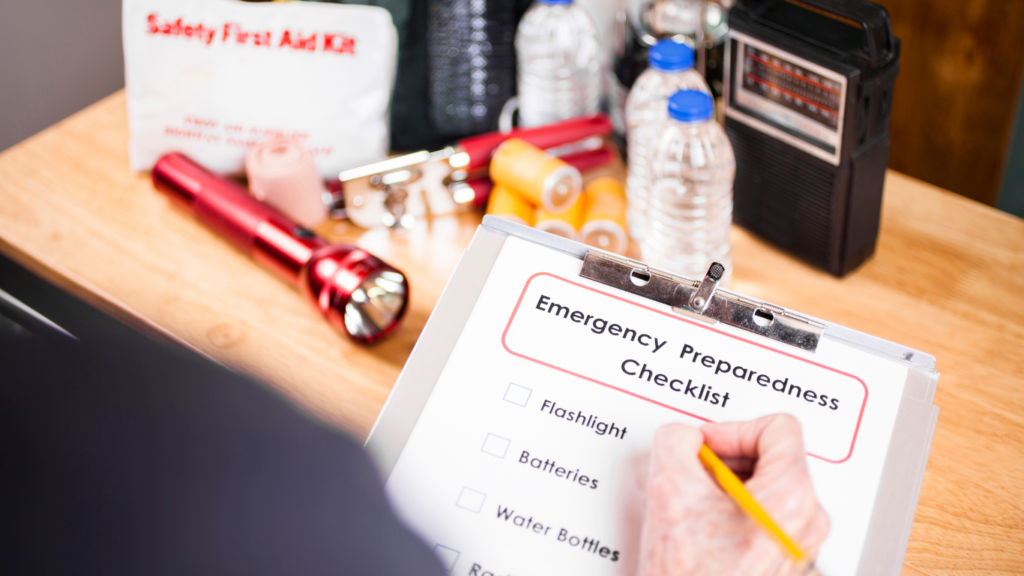
Hurricane season is a fact of life for families across Louisiana. While everyone should have an emergency plan, seniors often face unique challenges that require additional preparation. Mobility limitations, medical equipment needs, medications, and communication barriers can make severe weather events especially dangerous.
The good news is that a little planning can make a significant difference. Here is a practical hurricane preparedness checklist to help seniors and their caregivers stay safe before, during, and after a storm.
Before Hurricane Season Begins
Review Emergency Contacts
Make sure important phone numbers are easily accessible, including:
- Family members
- Caregivers
- Healthcare providers
- Pharmacies
- Emergency services
- Utility companies
Keep a printed copy in case cell phones or internet services are unavailable.
Refill Medications Early
Aim to keep at least a two-week supply of prescription medications on hand whenever possible. Speak with your pharmacy or healthcare provider about emergency refill options before a storm approaches.
Organize Medical Information
Create a folder containing:
- Current medications and dosages
- Medical conditions
- Physician contact information
- Insurance cards
- Identification documents
Store copies in a waterproof container.
Prepare an Emergency Supply Kit
Every senior household should have supplies that can last at least 72 hours, including:
Basic Essentials
- Bottled water
- Non-perishable food
- Manual can opener
- Flashlights
- Extra batteries
- First-aid kit
- Cash in small bills
- Portable phone chargers
Senior-Specific Supplies
- Extra eyeglasses
- Hearing aid batteries
- Incontinence supplies
- Mobility aids
- Medical equipment accessories
- Comfort items such as blankets and pillows
Backup Power Plans
If a loved one relies on oxygen, CPAP machines, or other powered medical equipment, identify backup power options and register with local emergency management agencies if applicable.
Create an Evacuation Plan
Do not wait until a storm is approaching to decide where to go.
Ask yourself:
- Where will we evacuate if needed?
- How will transportation be arranged?
- What supplies need to travel with us?
- Are there pet-friendly shelters available?
Practice the plan with family members and caregivers so everyone understands their role.
Stay Connected During a Storm
Communication is critical during emergencies.
Caregivers should:
- Check in regularly before and after the storm
- Establish a communication schedule
- Identify an out-of-state emergency contact
- Keep phones fully charged
Families should also consider using text messages, which often work when phone lines are overloaded.
Protect Mental and Emotional Well-Being
Storm preparation can be stressful, especially for older adults who have experienced previous disasters.
Caregivers can help by:
- Explaining plans clearly and calmly
- Maintaining familiar routines when possible
- Encouraging questions and conversations
- Providing reassurance throughout the process
A sense of preparedness often reduces anxiety and improves confidence.
After the Storm
Once conditions are safe:
- Check for injuries and medical concerns
- Inspect the home for hazards
- Dispose of spoiled food
- Continue monitoring local emergency updates
- Contact healthcare providers if medical equipment or medications were damaged
Never use generators indoors or near windows and doors due to the risk of carbon monoxide poisoning.
How Moore Care Can Help
At Moore Care, we understand that emergency preparedness looks different for every family. Our caregivers help clients maintain routines, stay informed, and prepare for unexpected situations with confidence.
As hurricane season approaches, now is the time to review your plans, gather supplies, and ensure your loved ones have the support they need to remain safe.
Prepared today means protected tomorrow. Contact Moore Care to learn how our compassionate caregivers can help your family prepare for hurricane season and beyond.
Category: At Home Care, Elder Care, Home Care, Planning Ahead
Tags:
Recent Posts

Private Caregiver vs. Home Care Agency: What Louisiana Families Should Know
When an aging parent or loved one begins needing help at home, many families face the same question: Should we hire a caregiver privately, or should we use a licensed home care agency? At first glance, hiring someone directly can seem like the simpler and more affordable option. Maybe a friend recommends someone they trust.…

Caring for Elderly Parents: How Siblings Can Share the Responsibility | Baton Rouge Elder Care
Caring for elderly parents is a responsibility many families eventually face. While helping Mom or Dad can be incredibly meaningful, elder care can also become physically, emotionally, and logistically demanding, especially when one sibling begins carrying most of the responsibility. Between work, children, appointments, household responsibilities, and everyday life, it isn’t always realistic for one…

How Do I Know If My Parent Needs In-Home Care? 7 Signs to Watch For
If you’ve been asking yourself this question, you’re not alone — and the fact that you’re paying close attention is already a sign of how much you love them. In most cases, there’s no single moment that makes it obvious. It’s a collection of small changes: a missed pill here, a stack of unopened mail…